
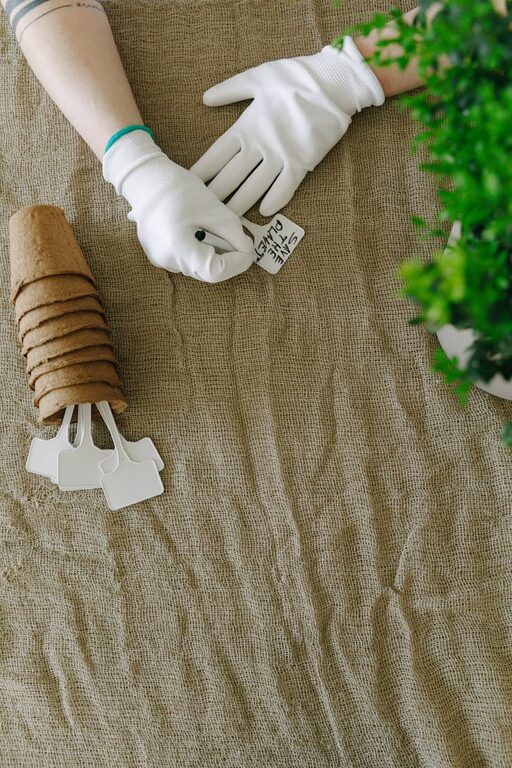
Starting a small herb garden indoors is a rewarding and accessible way to bring fresh flavors into your cooking, brighten up your home, and enjoy a touch of nature year-round. Whether you have a spacious kitchen windowsill or a compact apartment balcony, growing herbs indoors can be a fun and relaxing hobby. In this guide, we’ll walk you through everything you need to know to create and maintain your own thriving herb garden inside your home.
Why Grow Herbs Indoors?
Herbs are not only flavorful additions to your meals but also relatively easy to grow. Indoor herb gardening offers several advantages:
– Convenience: Fresh herbs are always within reach.
– Year-Round Growth: Avoid seasonal limitations.
– Air Quality: Plants help purify the air.
– Space Efficiency: Great for small living areas.
Choosing the Right Herbs for Indoor Gardening
Not all herbs thrive indoors, so it’s important to select varieties suited to limited space and light conditions. Here are some popular beginner-friendly herbs:
– Basil: Requires plenty of light, ideal for sunny spots.
– Mint: Hardy and grows well even with moderate light.
– Parsley: Does well in indirect light.
– Chives: Easy to grow and harvest regularly.
– Thyme: Prefers bright light and well-drained soil.
– Cilantro: Likes cooler temperatures and moderate light.
– Oregano: Thrives indoors with sufficient sunlight.
What You’ll Need to Get Started
Before planting, gather the following essentials:
– Containers or pots: Choose pots with drainage holes to prevent waterlogging.
– Potting mix: Use a lightweight, well-draining potting soil.
– Seeds or seedlings: Decide whether to start from seeds or buy young plants.
– Watering can or spray bottle: For consistent, gentle watering.
– Grow lights (optional): Helpful in low-light homes.
– Labels: To keep track of plant varieties.
Step-by-Step Guide to Planting Your Indoor Herb Garden
1. Find the Best Spot
Most herbs need 6-8 hours of sunlight daily. A south- or west-facing window is ideal. If natural light is insufficient, consider investing in LED grow lights to supplement.
2. Prepare Your Containers
Fill your pots with high-quality potting mix, leaving about an inch at the top. Ensure the containers have drainage holes to stop roots from sitting in water.
3. Sow the Seeds or Plant Seedlings
– For seeds, follow the packet instructions about depth and spacing. Lightly cover with soil and moisten.
– For seedlings, dig a small hole in the soil and gently place the root ball inside, then firm the soil around it.
4. Water Your Herbs
Keep the soil consistently moist but not soggy. Overwatering can lead to root rot, while underwatering stresses plants. Water when the top inch of soil feels dry.
5. Maintain Proper Temperature and Humidity
Most herbs prefer temperatures between 65-75°F (18-24°C). Avoid placing plants near drafts or heat vents. For herbs needing higher humidity, mist them occasionally or place a tray with water nearby.
6. Provide Adequate Light
If natural light is limited, supplement with grow lights. Aim for 12-16 hours of light daily if using artificial lighting.
Tips for Caring for Your Indoor Herb Garden
– Rotate your pots regularly to ensure even growth.
– Pinch off flowers to encourage leafy growth.
– Fertilize sparingly with a balanced, water-soluble fertilizer every 4-6 weeks.
– Prune regularly to keep plants bushy and healthy.
– Watch for pests like aphids or spider mites and treat promptly using natural methods such as neem oil.
Harvesting Your Herbs
Begin harvesting once plants are established and have enough leaves—usually around 4-6 weeks after planting.
– Use clean scissors or pinch leaves with your fingers.
– Always harvest from the top to promote fuller growth.
– Avoid removing more than one-third of the plant at a time to allow recovery.
Common Challenges and How to Overcome Them
Insufficient Light
If your herbs grow leggy or pale, they likely need more light. Move them to a sunnier location or use supplemental grow lights.
Overwatering or Underwatering
Yellowing leaves or wilting could signal watering problems. Check soil moisture regularly and adjust accordingly.
Pest Problems
Indoor herbs can attract pests. Regularly inspect plants and use gentle pest-control methods to keep your garden healthy.
Final Thoughts
Starting a small indoor herb garden can be a delightful and practical project. With a little care and attention, you’ll enjoy fresh herbs for cooking, garnishing, and even homemade remedies. Plus, watching your plants grow can be a calming and rewarding experience.
Begin with easy-to-grow herbs, create a comfortable spot with good light and air circulation, and soon you’ll have a thriving green space right inside your home!
Happy gardening!