
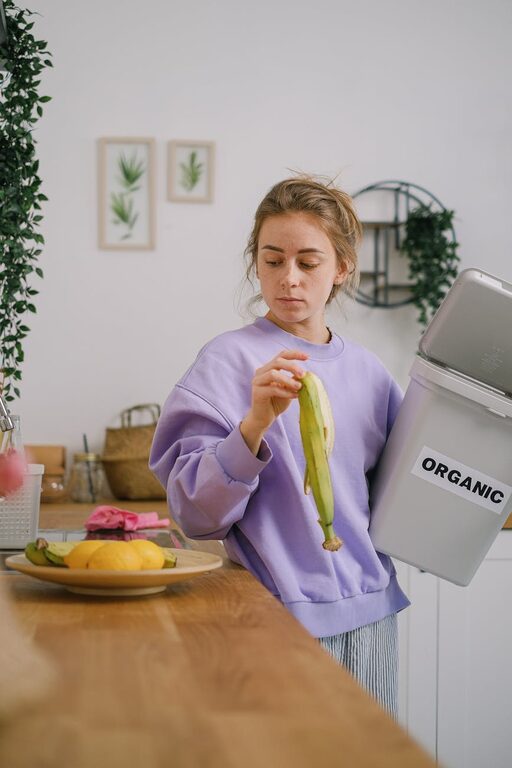
Reducing food waste at home is a simple but powerful way to save money, protect the environment, and make the most out of your groceries. Every year, millions of tons of food end up in landfills, contributing to greenhouse gas emissions and wasting valuable resources. Fortunately, you can help change this with some easy habits and smart planning.
In this post, we’ll explore practical ways to minimize food waste, from smart shopping and storage to creative cooking and leftovers management. Whether you live alone or with family, these tips can make a big difference.
Why Reducing Food Waste Matters
Before diving into tips, it’s helpful to know why reducing food waste is important. Food production uses water, energy, and land resources, so throwing away food means these resources are wasted too. When food decomposes in landfills, it produces methane, a potent greenhouse gas. Reducing waste helps lower your carbon footprint and supports a more sustainable lifestyle.
Plan and Shop Smartly
One of the best ways to reduce food waste starts before you even step into the kitchen.
Make a Meal Plan
Planning meals for the week helps avoid buying more food than you can use. Write down what you need based on your schedule and preferences. This reduces impulse purchases and keeps your shopping focused on what you will actually eat.
Check What You Already Have
Before buying, check your fridge, freezer, and pantry. Use up the ingredients you have rather than buying duplicates. This helps prevent old food from spoiling unnoticed.
Buy Only What You Need
Avoid bulk buying if it doesn’t suit your consumption habits. Smaller portions and fresh products are often better if you tend to waste leftovers. At farmers markets or stores that allow it, buy loose fruits and vegetables instead of pre-packaged bundles.
Store Food Properly
Proper storage extends the life of your food and keeps it fresh longer.
Understand Optimal Storage Conditions
Some foods last longer in the fridge (like dairy and leafy greens), while others do better at room temperature (like bananas and tomatoes). Learn the best way to store common items to preserve freshness.
Use Clear Containers
Transfer leftovers and opened packages into clear, airtight containers. This prevents freezer burn and ingredients from drying out, plus you can see what you have at a glance.
Organize Your Fridge and Pantry
Keep older items in front so they get used first. This helps prevent forgotten food going bad. Try labeling leftovers with dates to keep track of freshness.
Make the Most of Leftovers
Leftovers are an easy area to cut down on waste and save money.
Serve Appropriate Portions
Start with smaller servings to reduce uneaten food on plates. You can always go back for seconds if hungry.
Repurpose Leftover Ingredients
Get creative by turning leftovers into new meals. For example, cooked vegetables can be added to soups or stir-fries, and stale bread can become croutons or breadcrumbs.
Freeze Extra Food
If you can’t eat leftovers right away, freeze them for later use. Proper packaging helps maintain quality so your food is still enjoyable months later.
Use Food Scraps Wisely
Not all parts of food need to be thrown away.
Save Vegetable Scraps
Onions skins, carrot tops, and other vegetable scraps can be collected and boiled into flavorful homemade stock.
Compost Food Waste
If possible, compost vegetable and fruit scraps instead of tossing them into the trash. Composting turns food waste into nutrient-rich soil for your garden.
Avoid Throwing Away Edible Parts
For example, broccoli stems and beet greens are nutritious and tasty if cooked properly — try incorporating these into your meals rather than discarding them.
Be Mindful of Expiration Dates
Labels like “best before” and “use by” indicate quality but don’t always mean the food is unsafe after that date.
Use Your Senses
Check smell, texture, and appearance before throwing food away. Many items are still good beyond their listed dates.
Understand Label Differences
“Best before” is about quality, while “use by” relates to safety. Familiarize yourself with these terms to avoid unnecessary waste.
Educate and Involve Your Household
Reducing food waste is easier when everyone is on board.
Share Tips and Responsibilities
Discuss waste reduction during meals or family meetings. Assign simple tasks like checking the fridge or helping plan meals.
Encourage Kids to Participate
Teach children about the value of food and creative ways to use leftovers. Making it fun helps build lifelong habits.
—
Reducing food waste at home takes some effort but pays off in numerous ways. By planning carefully, storing food well, making the most of leftovers, and involving everyone in your household, you can greatly cut down on waste. These changes not only help your wallet but also contribute to a healthier planet. Start with one or two tips today — every little bit counts!